Story
Beyond Organic Gardening; Exploring the Potential of Permaculture Design for Sustainable Living
Updated: Nov 25, 2025

Permaculture starts with a close look at the land: where water travels, which plants grow well together, and how a garden changes through the seasons. Its designs bring food production, soil care, and everyday life together.
Understanding Permaculture
Permaculture combines the concepts of "permanent agriculture" and "permanent culture." Founded in the 1970s by Bill Mollison and David Holmgren, this approach leverages natural processes to create resilient systems that thrive with minimal input. The foundational ethics of permaculture are straightforward:
- Care for the Earth: Protecting natural resources and ecosystems.
- Care for People: Meeting human needs sustainably and ethically.
- Fair Share: Redistributing surplus and managing consumption responsibly.
These principles guide everyday choices about growing food, sharing a harvest, and caring for the land over time.
Key Principles of Permaculture
1. Observing and Interacting
Successful permaculture systems start with keen observation of the local ecosystem. This means taking the time to study the landscape, understanding its microclimates, soil types, and local flora and fauna. For instance, a gardener who observes their yard over a few seasons can learn which areas receive the most sunlight and rainfall, tailoring their planting decisions accordingly. Engaging actively with the environment fosters a better understanding of the intricate relationships within nature.
2. Catching and Storing Energy
Efficient energy use is vital in permaculture. This principle focuses on capturing energy from renewable sources (like sunlight and rain) and utilizing it effectively. For example, installing solar panels can cut electricity costs by 20% or more. Likewise, rainwater harvesting systems can save households thousands over time by capturing up to 50% of the water that would typically run off roofs, making a huge difference in water access during dry spells.
3. Obtaining a Yield
Creating systems that deliver tangible yields is essential to foster a sustainable lifestyle. These could include vegetable gardens, fruit trees, or aquaponics setups that recycle fish waste to nourish plants. A backyard garden can produce an estimated $600 worth of vegetables annually, reducing grocery bills and promoting food security. Furthermore, neighbors can share surplus produce, enhancing community ties and reducing food waste.
4. Designing for Diversity
Biodiversity strengthens ecosystems, making them more resilient. In permaculture, diversity involves creating polycultures, which are mixtures of various plants and companion planting strategies. For instance, growing tomatoes alongside basil and marigolds can repel pests while boosting overall yields. This philosophy extends beyond the garden to community interactions and economic systems, promoting varied approaches to resource management.
5. Utilizing Small and Slow Solutions
Start with a small garden or a simple composting setup. Watch what works, learn as you go, and add to it at your own pace.
Benefits of Permaculture Designs
Environmental Benefits
Permaculture offers substantial ecological advantages. By focusing on sustainable practices, it contributes to soil health, enhances biodiversity, and prevents habitat loss. For instance, permaculture practices can decrease soil erosion by 50%, protecting valuable topsoil and improving agricultural output over time.
Economic Advantages
Transitioning to permaculture can lower household expenses and promote local economies. Growing your own food, for instance, can save a family about $1,500 annually while minimizing transportation costs associated with store-bought produce. Additionally, properties incorporating permaculture designs often see increased land value as sustainability becomes more desirable.
Social Cohesion
Community gardens and shared workshops give people a place to grow food and learn from one another. Communities engaged in permaculture often report a 40% increase in social interactions.
Practical Applications of Permaculture in Everyday Life
Home Gardens
Starting a home garden is one of the simplest ways to implement permaculture principles. Techniques like vertical gardening or companion planting can maximize small spaces. For example, urban dwellers can grow herbs on a kitchen windowsill or install planters on balconies. Using native plants can further promote biodiversity, requiring less water while providing habitat for local wildlife.
Water Management Systems
Rainwater harvesting and greywater recycling put water to use around the home and garden. Simple systems can capture hundreds of gallons of rainwater yearly, reducing household water use and expenses.
Community Initiatives
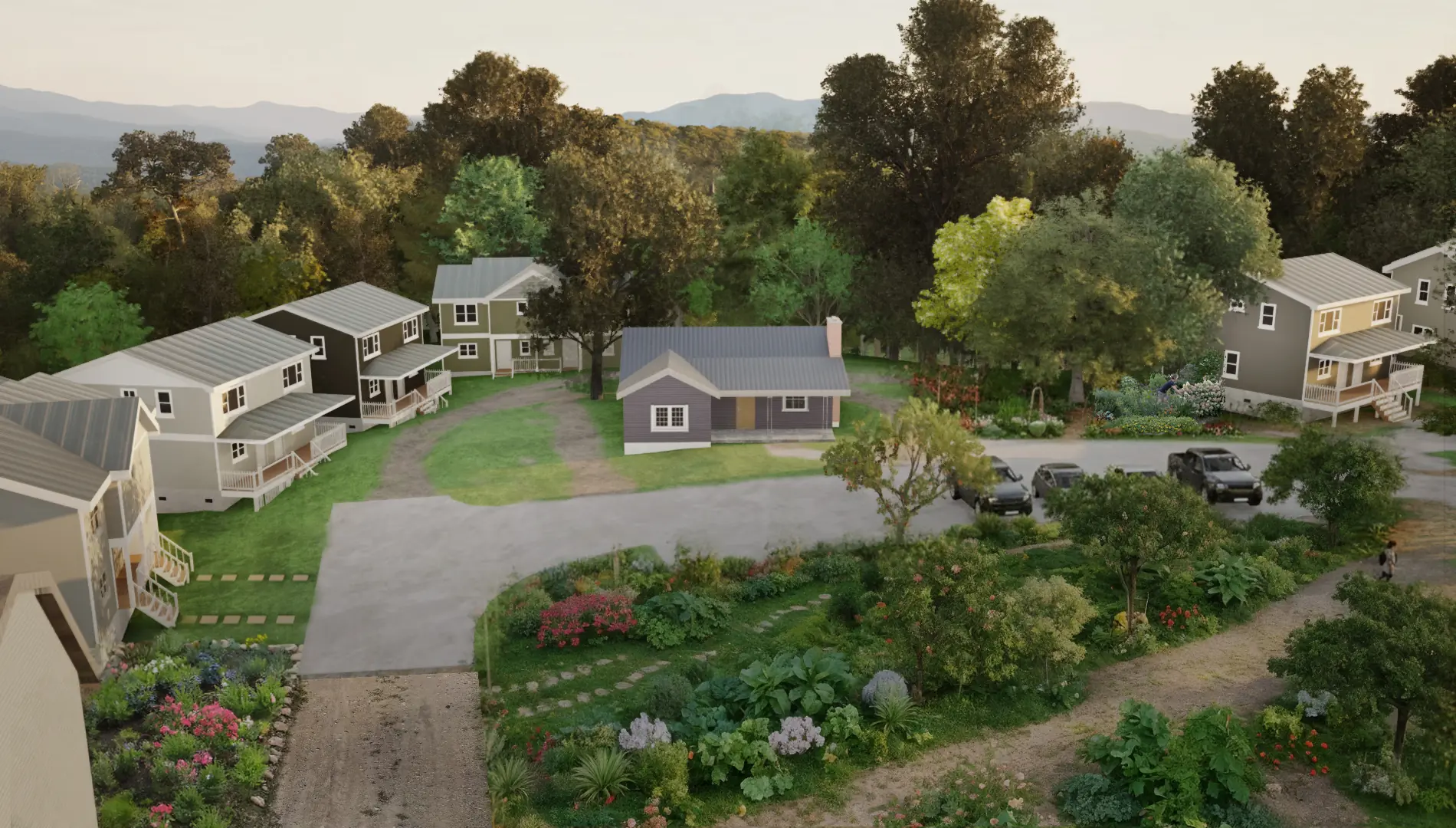
A community garden brings several kinds of work together: growing food, teaching a workshop, and learning organic gardening methods alongside neighbors.
Education and Advocacy
Spreading the word about permaculture through educational programs can inspire broader adoption of sustainable practices. Hosting workshops or creating local seminar series can provide people with the knowledge and skills to implement these ideas in their own lives. Additionally, advocating for sustainable policies in local governance can help integrate permaculture principles into community planning efforts.
Creating a Sustainable Future
Observation, energy conservation, and a variety of plants are practical starting points for permaculture. A home garden gives you a place to put them to work.
Grow something you like to eat, make room for native plants, or share a gardening project with a neighbor. Each is a way to begin.
Permaculture belongs in ordinary days, from tending a garden bed to deciding where rainwater goes.